


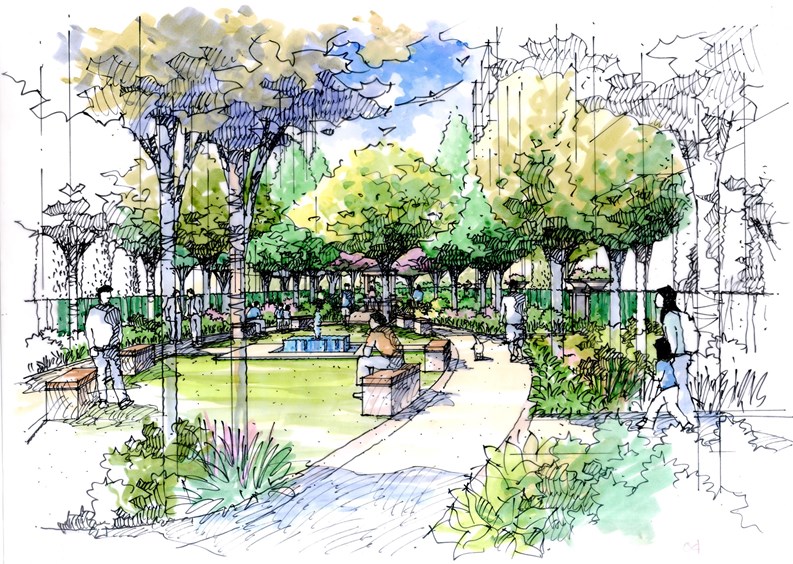
When it comes to the planters and flowerbeds around your building or association, choosing the right annual and perennial plants to go in them isn’t quite as simple as you might think. There are many considerations to take into account, from available sunlight to water sources to foot traffic and car exhaust. A particular flower, plant, or bush might look perfect framing the gateway to your community—but will it actually thrive there? Like everything else we do or buy to enhance the curb appeal and general pride of place for our communities, plantings cost money. You don’t want to waste it.
Location, Location…
With any kind of landscape planning, climate and your location are the two most defining factors guiding the choices your community makes about what to plant and where. A palm tree or hibiscus bush planted outdoors in the Northeast won’t survive autumn, much less winter. Likewise, an inland plant species is unlikely to thrive in the sandy soil and salt spray of a beachfront property.
Even within the same climate belt, the plants and flowers around a high-rise apartment building in a dense urban setting require different care and maintenance than those in a suburban townhouse development or sprawling HOA with acres of grounds.
Ground-level urban gardening spaces often have limited light and water; rooftop spaces may have light in abundance, but water is still a challenge, as are the added stressors of wind and colder temperatures. In fact, according to landscaping pros, rooftops can be similar to a desert environment; dry, windy, and prone to bigger temperature fluctuations than at ground level.
According to Lou Caggiano, CEO of LCC Landscapes located in Fairfield, New Jersey, “When choosing plants for a courtyard or a roof, one must look at the irrigation situation. Is the area irrigated? Or can it be? Generally speaking, plants on a roof are more exposed to weather than on the ground. What grows on a hillside in New Jersey won’t survive on a roof—it just doesn’t have the hardiness. We choose plant material that is resistant to drought, such as black-eyed susans or daylilies, and evergreens, such as juniper. Plants that will withstand the hot dry summers and cold dry winters.”
Who’s In Charge?
Another major factor in the success of your landscaping endeavors is who is making the decisions about planting and plant care. In the interest of keeping costs down, many shared interest boards choose to form a committee from within their community to tackle the challenges of planning and maintaining a landscaping program. That’s certainly a viable option, if the committee includes a resident horticulturist, a landscape architect, or even some experienced amateur gardeners or green thumbs—but if not, the best alternative is to engage a reputable landscape specialist to work in tandem and guide your community’s committee, despite the added cost.
According to Caggiano, “When we meet with a community for a landscape design or enhancement project we first ask what their budget is. We then know what we can spend, and what’s feasible. Then we ask: what do they really like? What do they want to get out of the project? What are their goals and objectives when it’s finished? We try to work with materials they’re familiar with, something they like, and we work it into the design. We come up with a very specific design plan based on [the client community’s budget], they approve it, then we implement it. We also encourage their continuing input along the way.”
The Planting Plan
Whether your plantings are handled by an in-house committee or an outside landscaping contractor, the first step to having vibrant, healthy flowers and plants around your community year after year is planning—for aesthetics, placement, and care.
And no plan works without guidance and committed follow-through, says Caggiano, “Committees often go in the wrong direction when they deviate from what’s advised by their landscaper. The members of these committees often come from single-family homeownership, and don’t always understand they now live in a shared-interest community where the flowers aren’t attended to as regularly as in a single-family dwelling; it’s a large-scale community ecosystem. They also don’t take into consideration the local fauna, like deer, that can eat the flowers. Or they see a photo of a plant or flower they like and work to shoehorn it in, even if it’s not right for the spot.”
Peter Morris, a horticulturist with Plant Specialists, a landscaping company based in Long Island City, New York agrees. “Designing your landscape is a step-by-step process,” he says, “so have a plan. That plan should include what you want visually; flowers, foliage, or evergreens, for example. The plan should also outline what goes where, and how it’s planted and placed. Inevitably that leads us to consideration of the specific environment. Is it a shady courtyard, or a rooftop with full sun? That then leads to specific plant selection.”
“The most important consideration when choosing flowers is sun and shade” says Annamaria Sodonis, owner of Jardin Landscape in Queens and Westchester, New York. “Picking the right plant depends on where it’s going. Some plants thrive in sunlight, others in shade. Some plants are hardier than others. Some plants can literally get sunburned, so we need to be selective in what we choose for a given area. We also must consider water; will these plants or flowers be hand watered? Do they have an irrigation system? Community volunteers usually don’t know how deep to plant or how much space to leave between plants. The plants may then be competing for root space and can choke each other out.”
As noted previously, urban and suburban environments pose different challenges that require informed landscaping and planting choices.
“In suburban complexes the landscape is more sprawling and more amenity-oriented,” says Caggiano. “It’s often more of a parklike setting. In the city, it’s tight and there isn’t much space. Communities in the suburbs may have BBQ areas, dog parks, big flower beds, pools, etc. In cities you might have planters in front of buildings where you might put a hardy annual like petunias or ornamental grasses that don’t require much attention.”
Sodonis also notes that tree pits pose a special and unique challenge for urban dwellers because they’re constantly under attack by both humans and animals. “They can get trampled,” she says, “and pet urine is a frequent problem. Many buildings now place ornamental fencing around them to protect from both.” Sodonis says her go-to for tree pits is a hearty annual species called coleus. “It comes in a variety of colors, it looks pretty, is drought tolerant, and can withstand the elements—they can take a beating.”
Getting Your Hands Dirty
Once you know what you’re planting, another important consideration is maintenance. Who will be in charge of day-to-day care and upkeep of your flowerbeds, planters, or roof garden? What is their level of knowledge and commitment? While a big suburban community with lots of flowers and other plants to maintain may have in-house landscapers and gardeners, in many communities that work is done by resident volunteers. “Often,” says Caggiano, “residents don’t understand that they need to maintain the garden, and not just leave it to nature. They need a maintenance plan to extend the life of the garden. Maintenance costs money in the short term, but it will save money in the long term by extending the life of the plant materials.”
Karen Leggett is a retired professional horticulturist. She is also a board member of the 196-unit Starlight Village condo association in Ashland, Massachusetts, which combined with four other local associations to form the Ashland Open Space Trust. Leggett says that an educated, committed volunteer staff is at the heart of their community efforts. “We want to make sure we have people lined up who are dependable for watering and feeding. I train our volunteers so that we place specific plantings in the right environment. We also have a budget. We want to stay within the budget for the annuals—they’re expensive!”
Inside and Out
Another consideration for urban communities is coordinating exterior and interior use of plants and flowers. City buildings may have plantings both around the front entryway and immediately following in the lobby.
“Plants should coordinate with the decor and architecture of the lobby,” says Marilyn Sygrove, owner of Sygrove Associates Design Group in New York City. “And that extends to the exterior entry as well. I’ve seen lobbies that have become the building’s plant graveyard because well-meaning residents have thrown a mixture of anything and everything at varying levels of life into the lobby. This is a no-no. Plants must be considered accessories that are equally as beautiful as their surroundings, and are cared for with the same level of maintenance as the rest of the lobby decor. Ask your landscaper to advise you so that external and internal components match.”
Though it looks easy, plant and landscaping selections are complicated projects. It’s always best to contact and consult with a landscape professional to develop a plan that your community can afford, and can live with. If you have volunteers in charge of the plants, make sure they are educated and understand what they’re working with. Well-planned, well-maintained flowers and plants can create both a better quality of life for residents and increase curb appeal for potential buyers. That little splash of color in the right place can go a long way.
A.J. Sidransky is a staff writer/reporter with CooperatorNews, and a published novelist. He may be reached at alan@yrinc.com.




Leave a Comment